

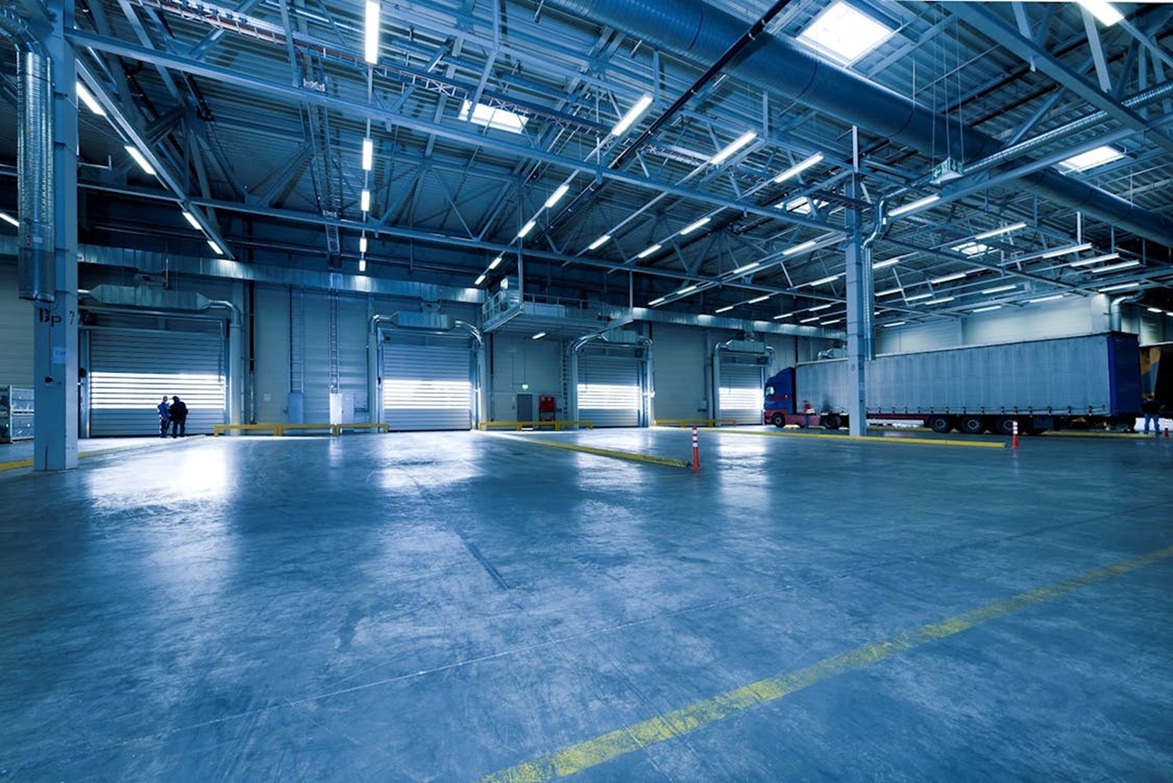

The Role of Modular Structures in Modern Industrial Spaces
Modular structures have transformed industrial design by offering flexibility, scalability, and efficiency. Among these innovations, pallet racking systems play a crucial role in optimizing space and streamlining inventory management. Designed to adapt to varying load requirements, they enhance both storage capacity and operational workflow. As industries evolve with increasing demands for customization and speed, modular pallet racking stands out as a smart solution for maximizing productivity while minimizing footprint in modern industrial environments.
Enhancing Flexibility and Scalability in Industrial Design
Modular structures offer adaptable solutions for growing businesses. As operations expand, facilities can quickly scale operations without major structural overhauls. Key systems, including pallet racking, integrate easily within modular setups. This adaptability allows companies to optimize warehouse layouts over time. Modular zones also simplify process reconfiguration, supporting agile workflows. Industries benefit from modifying floorplans as needs evolve, saving time and cost. Scalability ensures long-term efficiency in dynamic industrial environments.
Improving Efficiency Through Modular Layouts
Efficiency is heightened through strategic modular layouts. Equipment, storage zones, and workspaces are logically organized, enhancing employee workflow. Traffic patterns are optimized to reduce delays and boost speed. Modular systems improve space utilization, eliminating underused areas. With plug-and-play structure design, teams can reduce downtime during changes. Workers navigate facilities with ease, driving consistent performance. A well-planned modular layout ensures minimal disruption during transitions or upgrades, strengthening overall productivity.
Incorporating Smart Technology Integration
Modular frameworks simplify the integration of smart technologies. Sensors, automation systems, and data tracking devices are easily embedded. Smart devices monitor operations, improving accuracy and safety. Real-time data aids strategic decisions, enhancing logistics and inventory control. Integrated systems allow predictive maintenance, decreasing unexpected equipment failures. As technology evolves, industrial spaces adapt quickly without massive rework. Modular structures foster future-ready environments through seamless digital integration.
Reducing Construction Time and Operational Downtime
Traditional construction methods require longer timelines and complex coordination. Modular structures arrive preassembled or in simplified kits. This minimizes build time and reduces construction waste. Faster implementation accelerates operational readiness. In busy industries, reduced downtime during installation or renovation saves costs. Maintenance updates occur in sections, not entire shutdowns. These quicker transitions keep operations running smoothly. Modular designs thus minimize interference with daily business activities.
Cost-Effectiveness Over the Long Term
Initial modular investments may appear high, but long-term savings are significant. Reduced construction labor, efficient energy use, and easy expansion contribute to financial benefits. Maintenance is simpler with replaceable components. As operations change, modules can shift or upgrade without full replacements. The reusability of materials further reduces refurbishment costs. Over time, businesses gain cost predictability and lower infrastructure expenses. Modularity proves more economical in evolving industrial environments.
Enhancing Worker Safety and Compliance
Modular structures support workplace safety by promoting clear layouts and structured zones. Defined pathways reduce collision risk between machinery and personnel. Fire safety and ventilation systems integrate more easily. Pre-engineered modules meet local safety and code compliance standards. Structurally, modules are stable and uniformly manufactured. Automated safety features, like gate controls or lighting systems, are easier to implement. Worker training also improves with standardized, consistent environments.
Supporting Sustainability Goals in Industrial Construction
Using modular construction supports sustainability in warehousing and manufacturing sectors. These structures generate less material waste during fabrication. Prefabricated components use eco-friendly materials or recycled alloys. Energy consumption is reduced due to efficient mechanical systems. Buildings are easier to dismantle and repurpose. Businesses meeting green certifications benefit from tax incentives and improved reputation. Overall, modular industrial spaces align with corporate sustainability initiatives and environmental regulations.
What are the benefits of using modular storage systems in warehouses?
Modular storage systems offer enhanced flexibility, allowing businesses to adapt quickly to inventory changes. They also maximize vertical space, improving efficiency and organization. These systems are scalable, making future expansions easier, and often reduce operational downtime during installation or reconfiguration. Their cost-effectiveness and durability add significant long-term value.
How do adjustable shelving units contribute to safer work environments?
Adjustable shelving units promote safety by accommodating various load sizes and weights, reducing the risk of improper storage. They help ensure better weight distribution, decreasing chances of collapse. Customizable heights also improve access and ergonomics, minimizing strain and accidents related to overreaching or lifting improperly stored items.
In what ways can racking systems optimize industrial workflows?
Racking systems streamline material handling by organizing goods in a logical, accessible manner. This reduces retrieval time and simplifies inventory management. Strategic layout designs improve navigation for machinery and staff, contributing to faster operations. Efficient storage placement also helps maintain clear pathways, supporting a smoother production or distribution process.
What factors should be considered when selecting storage infrastructure for industrial use?
Key considerations include load capacity, product type, available floor space, and future scalability. Environmental conditions such as humidity or temperature also influence material choice. Integration with existing equipment and layout efficiency are crucial for performance. Safety compliance and ease of installation should not be overlooked when choosing industrial storage infrastructure.